
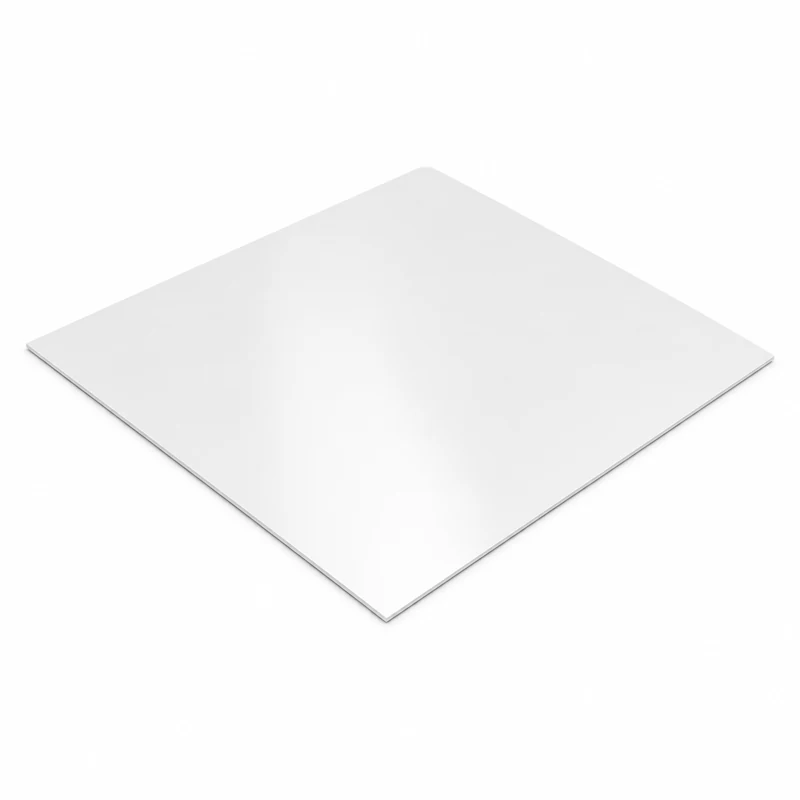
The finished FRP gelcoat facing for cold-room panels — a factory-glazed skin that panel makers bond over PU or XPS core,
tough at -40°C and smooth enough to hose down between loads.
Inside a cold store, the enemy is not just the cold — it is the moisture that cold creates. Every time the dock door opens or a pallet of warm product comes in, humidity condenses on walls and ceilings, and condensation on a porous surface means mold, mildew, odors, and a slow breakdown of the insulation behind it. In food cold chains that is a hygiene and a quality problem at the same time. FRP gelcoat panels for cold storage are specified to break that cycle.
A cold-room panel is only as good as its face. The core sets the U-value; the facing decides everything the room actually touches — how it cleans, how it ages under washdown, and what it does at -40°C. Our FRP gelcoat sheet is that facing. A panel maker bonds it straight onto PU or XPS core in place of a painted metal skin or a decorative laminate, and gets a factory-glazed, non-porous surface without adding a separate finishing step to the line. The same sheet also re-lines rooms that are already standing, where an old or damaged internal face has to be covered without stripping the insulation out.
The sheet comes off the same platform as our standard gelcoat range — 0.8–5.0 mm thick, in widths up to 3,400 mm — and carries the same low-temperature capability, so it keeps its impact strength when the thermometer reads -40°C and the forklift driver is in a hurry.
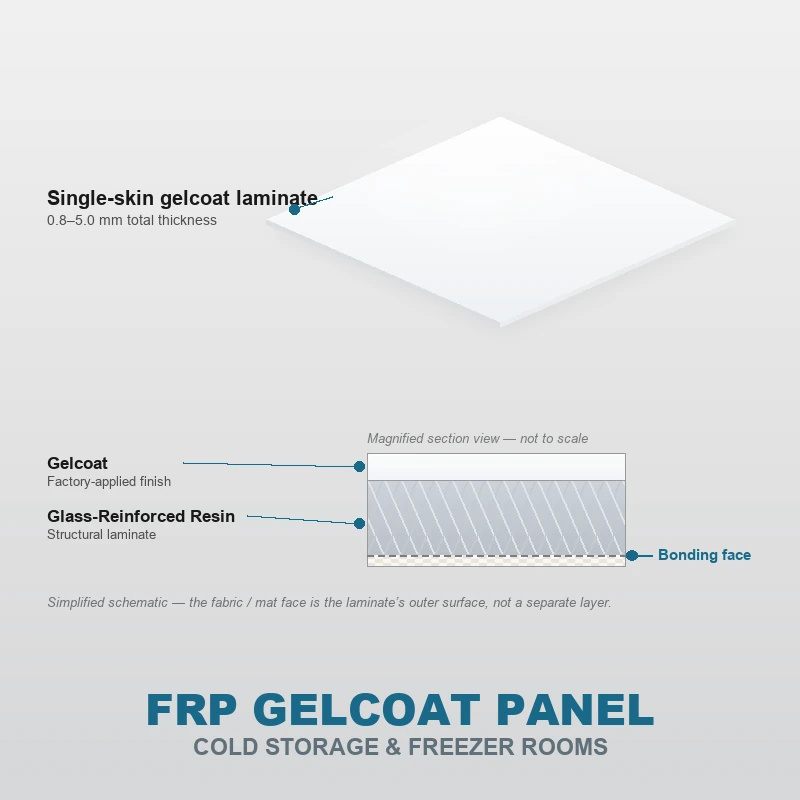
The facing itself is a single thin laminate built from two layers:
The finished laminate is supplied as a roll, so your line cuts it to the panel width it needs rather than ordering to a finished-panel size. Bonded across its full surface it leaves no void behind it; where one finished panel meets the next, the joint is closed with sealed cover strips or a food-grade sealant — no open edge for moisture to travel behind.
| Specification | Value |
|---|---|
| Skin Thickness | 0.8–5.0 mm |
| Max Panel Width | 3,400 mm |
| Roll Length | Up to 120 m |
| Operating Temperature | -40°C to +140°C |
| Warranty | 10–15 years |
| Resin | Unsaturated polyester (custom resin systems available) |
| Colours | Custom RAL available |
| Surface Finish | Glossy / Anti-slip / Wood grain / Custom textures |
Designed for continuous sub-zero service, the fiberglass-reinforced laminate keeps its impact resistance when frozen — it flexes under load instead of shattering, which is exactly what a busy freezer aisle demands.
The non-porous gelcoat face gives moisture nothing to grip. Droplets form and run down rather than soaking into the liner, which protects both the insulation layer behind the panel and the air quality of the store.
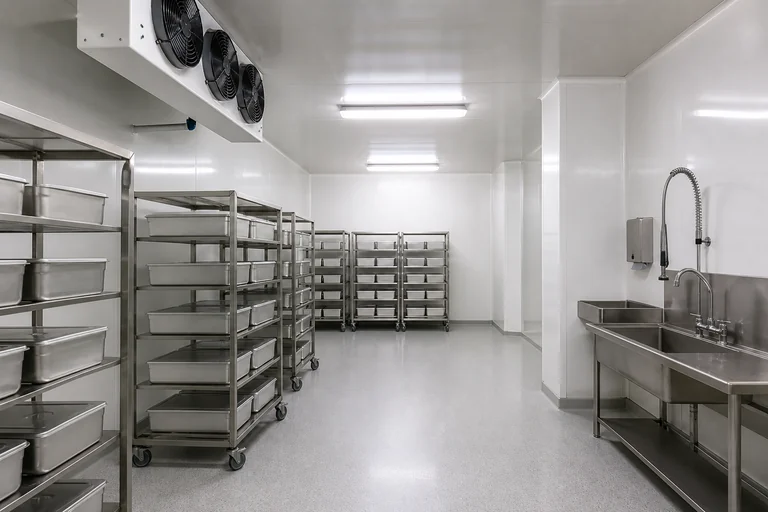
With no pores, seams, or absorbent surfaces, there is nowhere for mold colonies or stale food odors to establish. Stores that serve dairy, meat, seafood, or prepared foods stay cleaner between deep cleans.
Cold stores are hosed down between loads and sanitized on rotation. The gelcoat face tolerates the detergents, foaming sanitizers, and warm-water rinse cycles used in food cold chains without whitening, crazing, or losing its gloss.
At 0.8–5.0 mm the facing adds no meaningful thickness to the finished panel, so the room keeps the internal dimensions it was designed around and the panels stay light enough to hang without lifting gear.
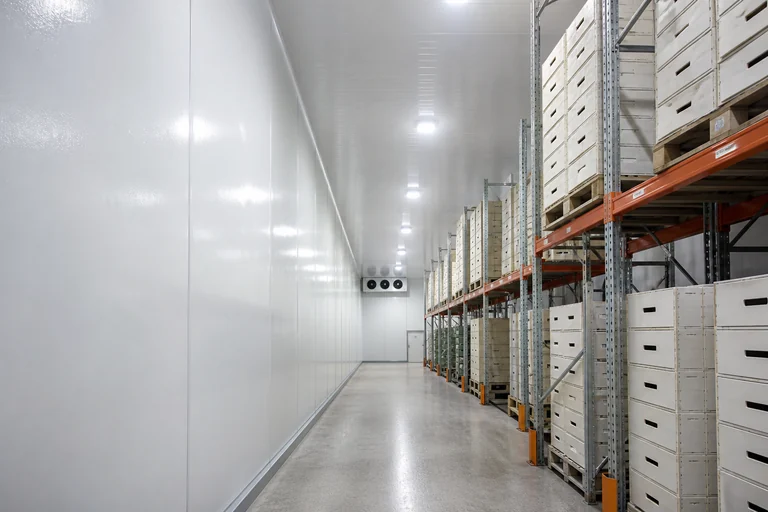
Cold Store Interiors — Facing for the panels that line chill rooms (0–4°C) holding dairy, produce, meat, and prepared foods, where the sealed face has to keep condensation off the walls and ceiling.
Freezer and Blast Rooms — Facing for panels in sub-zero rooms down to -40°C, where the surface has to stay impact-safe through loading, racking, and temperature pull-downs.
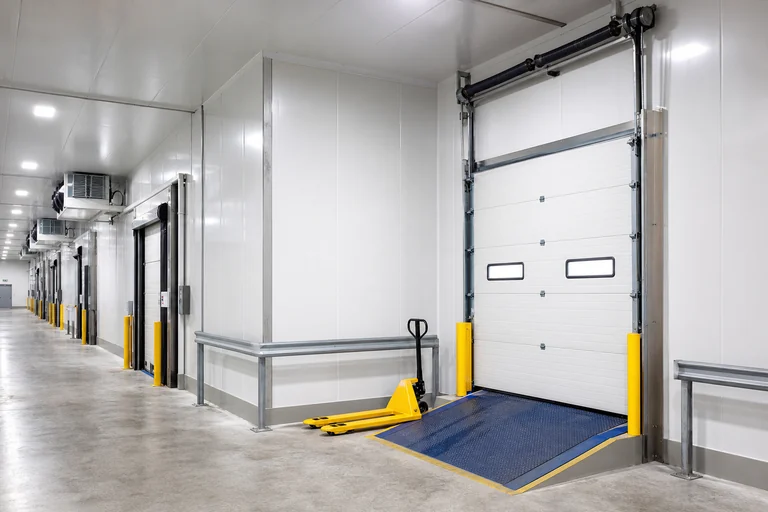
Loading Docks and Buffer Zones — Facing for high-traffic dock areas, marshalling bays, and temperature buffer corridors where doors open constantly and fork trucks work close to the walls.
Food Processing Chill Areas — Facing for chill, aging, and ripening rooms inside processing plants, where washdown routines and product-adjacent surfaces demand a cleanable, non-porous face.
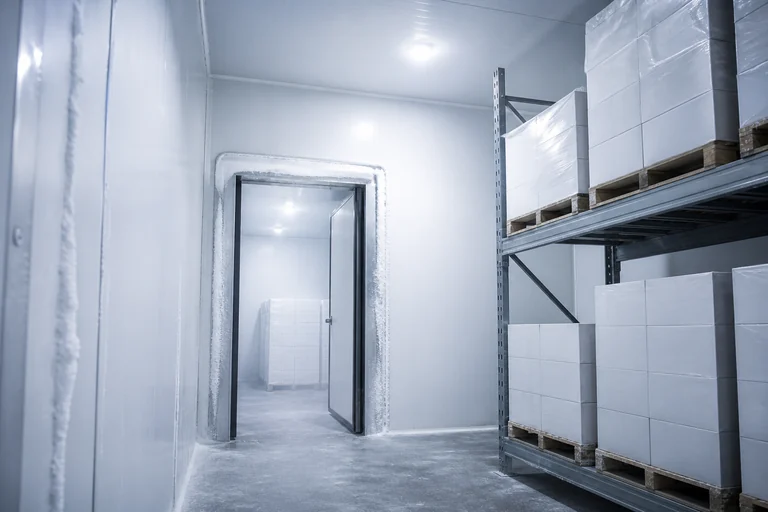
A: No. The panels are rated for continuous service from -40°C to +140°C, and the fiberglass reinforcement is what keeps the laminate ductile at sub-zero temperatures. The same construction is used in refrigerated transport interiors, where panels face constant vibration and thermal cycling. For extreme blast-freezer duty, our team can confirm the right thickness and mounting pattern for your room.
A: The facing. Cold-room panels are built by panel makers, not by us — we supply the FRP gelcoat sheet that you bond onto your PU or XPS core and finish at the edges. That is why it ships as a roll in widths up to 3,400 mm rather than as a finished panel size: it has to suit your line, not ours. If the insulated panel itself is what you need, see our PU sandwich panels and XPS sandwich panels.
A: Bonded across its full surface, the facing leaves no cavity for moisture to collect in, and the gelcoat face itself is non-porous, so surface condensation runs off instead of soaking in. Panel joints are closed with sealed cover strips or food-grade sealant, so there is no open edge to travel behind either. The vapour barrier on the warm side of the insulation stays a design decision for the panel and the room, as it does on any cold-store build.
A: Yes. Panels go up as discrete units, so a single damaged one can be cut out and replaced between loads — no need to rebuild the wall. It is one of the main reasons operators choose an FRP-faced panel over painted or tiled surfaces in high-impact dock and aisle zones.
A: Yes, both options exist in the same gelcoat line. If your room handles ready-to-eat or highly regulated products, tell us the application and we will point you to the right variant — such as our antibacterial gelcoat panels for environmental hygiene or our food-grade panels where food-contact compliance matters.
We’d love to hear about your project — reach out anytime.
Thank you for contacting us,
we will get back to you in 24hrs!